Clean Recovery Centers
Addiction treatment center in Sarasota County, Florida
Their mission is to offer personalized treatment that addresses each client’s unique needs, with a holistic approach that encompasses physical, emotional, and spiritual healing.
Guided by core values of integrity, empathy, and dedication, Clean Recovery Centers strives to empower clients on their journey to long-term recovery and a healthier, more fulfilling life.
Services Offered
Clean Recovery Centers offers a variety of services tailored to meet the diverse needs of clients. These services range from outpatient programs to more intensive treatment options, all designed to provide the support necessary for successful recovery.
Outpatient Treatment
Outpatient Treatment at Clean Recovery Centers is a flexible option for clients who need ongoing support while maintaining their daily responsibilities. This program includes regular therapy sessions, counseling, and group activities, allowing clients to continue their recovery journey while living at home and managing their work or school commitments.
Intensive Outpatient Program (IOP)
The Intensive Outpatient Program (IOP) provides a more structured level of care than standard outpatient treatment. It is designed for individuals who need significant support but do not require residential treatment. The IOP includes multiple therapy sessions each week, group counseling, and a focus on developing coping strategies to prevent relapse.
Partial Hospitalization Program (PHP)
The Partial Hospitalization Program (PHP) is the most intensive outpatient option offered by Clean Recovery Centers. This program is ideal for individuals who require a high level of support due to the severity of their addiction or co-occurring mental health conditions. PHP includes daily therapy sessions, medical monitoring, and comprehensive treatment plans tailored to address each client’s specific challenges.
Addiction Treatment Services
Clean Recovery Centers offers a broad range of addiction treatment programs, each personalized to address the unique needs of the client. These programs are designed to provide holistic care that tackles both the physical and psychological aspects of addiction.
Heroin Addiction Treatment
The Heroin Addiction Treatment program utilizes evidence-based practices to help clients manage their heroin use disorder. The program includes medically supervised detox, individualized therapy, group sessions, and relapse prevention strategies designed to support long-term recovery.
Cocaine Addiction Treatment
The Cocaine Addiction Treatment program focuses on helping clients break free from cocaine addiction. Through cognitive-behavioral therapy, counseling, and holistic practices, clients learn to manage cravings and develop healthier coping mechanisms.
Meth Addiction Treatment
The Meth Addiction Treatment program offers comprehensive care for individuals managing a methamphetamine use disorder. The program includes medical detox, behavioral therapy, and ongoing support to help clients achieve and maintain sobriety.
Fentanyl Addiction Treatment
The Fentanyl Addiction Treatment program addresses the unique challenges of overcoming addiction to this potent opioid. The program includes medical detox, therapy sessions, and long-term support to help clients regain control of their lives and achieve sustained recovery.
Benzodiazepine Addiction Treatment
The Benzodiazepine Addiction Treatment program provides specialized care for individuals managing a benzodiazepine use disorder. The program includes medically supervised detox, therapy, and long-term relapse prevention strategies tailored to meet the specific needs of each client.
This program includes medically supervised detox, personalized therapy, and ongoing support to address both the physical and psychological aspects of alcohol use disorder.
The goal is to help clients achieve lasting sobriety and prevent relapse.
Mental Health Program
Clean Recovery Centers understands the critical role mental health plays in healing from a substance use disorder. Their Mental Health Program offers dual diagnosis services, therapy sessions, and psychiatric evaluations to ensure clients receive comprehensive care that addresses both their addiction and any co-occurring mental health conditions.
Anxiety Treatment
The Anxiety Treatment program at Clean Recovery Centers focuses on helping clients manage and reduce anxiety symptoms through evidence-based therapies such as cognitive-behavioral therapy and mindfulness practices. The program is tailored to promote long-term mental wellness.
Depression Treatment
The Depression Treatment program provides comprehensive care for individuals managing untreated depression. The program includes therapy sessions, medication management, and holistic practices aimed at improving mood and overall well-being.
Bipolar Treatment
The Bipolar Treatment program offers specialized care for individuals with bipolar disorder. The program focuses on mood stabilization, therapy, and ongoing support to help clients manage their symptoms and maintain a balanced lifestyle.
ADHD Treatment
The ADHD Treatment program provides targeted care for individuals with Attention Deficit Hyperactivity Disorder. The program includes therapy sessions, medication management, and skills training to help clients improve focus, reduce impulsivity, and enhance their overall quality of life.
PTSD Treatment
The PTSD Treatment program at Clean Recovery Centers helps clients heal from trauma. The program includes evidence-based therapies such as EMDR, cognitive-behavioral therapy, and trauma-informed care to promote recovery and resilience.
Anger Management Therapy
The Anger Management Therapy program assists clients in developing healthier ways to manage and express anger. Through therapy sessions, clients learn to identify triggers, practice self-regulation techniques, and improve their interpersonal relationships.
OCD Treatment
The OCD Treatment program provides comprehensive care for individuals managing untreated obsessive-compulsive disorder. The program includes exposure and response prevention therapy, cognitive-behavioral therapy, and other evidence-based practices to help clients manage their symptoms effectively.
Trauma Therapy
The Trauma Therapy program focuses on helping clients heal from past traumatic experiences. The program includes therapy sessions that use evidence-based approaches to promote emotional healing and resilience.
Personality Disorder Treatment
The Personality Disorder Treatment program offers specialized care for individuals with personality disorders. The program includes therapy sessions, medication management, and support groups to help clients develop healthier coping strategies and improve their quality of life.
Panic Disorder Treatment
The Panic Disorder Treatment program provides care for individuals experiencing frequent panic attacks. The program includes cognitive-behavioral therapy, relaxation techniques, and other therapeutic approaches to reduce the frequency and severity of panic attacks.
These programs address the unique challenges faced by these individuals and provide a supportive environment for recovery.
The center’s strong community and alumni support network ensures that clients receive ongoing support long after their formal treatment ends.
Additionally, Clean Recovery Centers uses advanced, evidence-based treatment modalities to promote lasting recovery.
Gallery
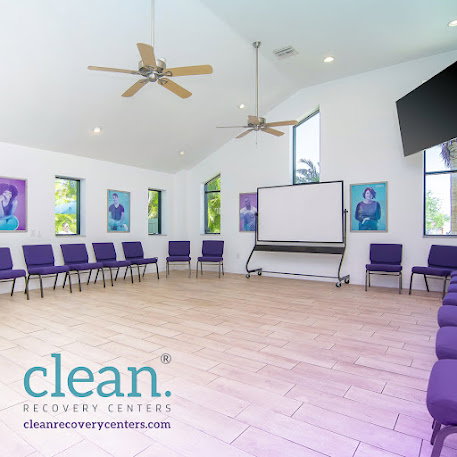
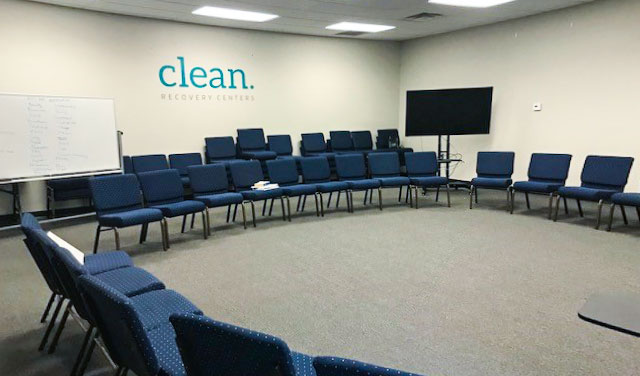
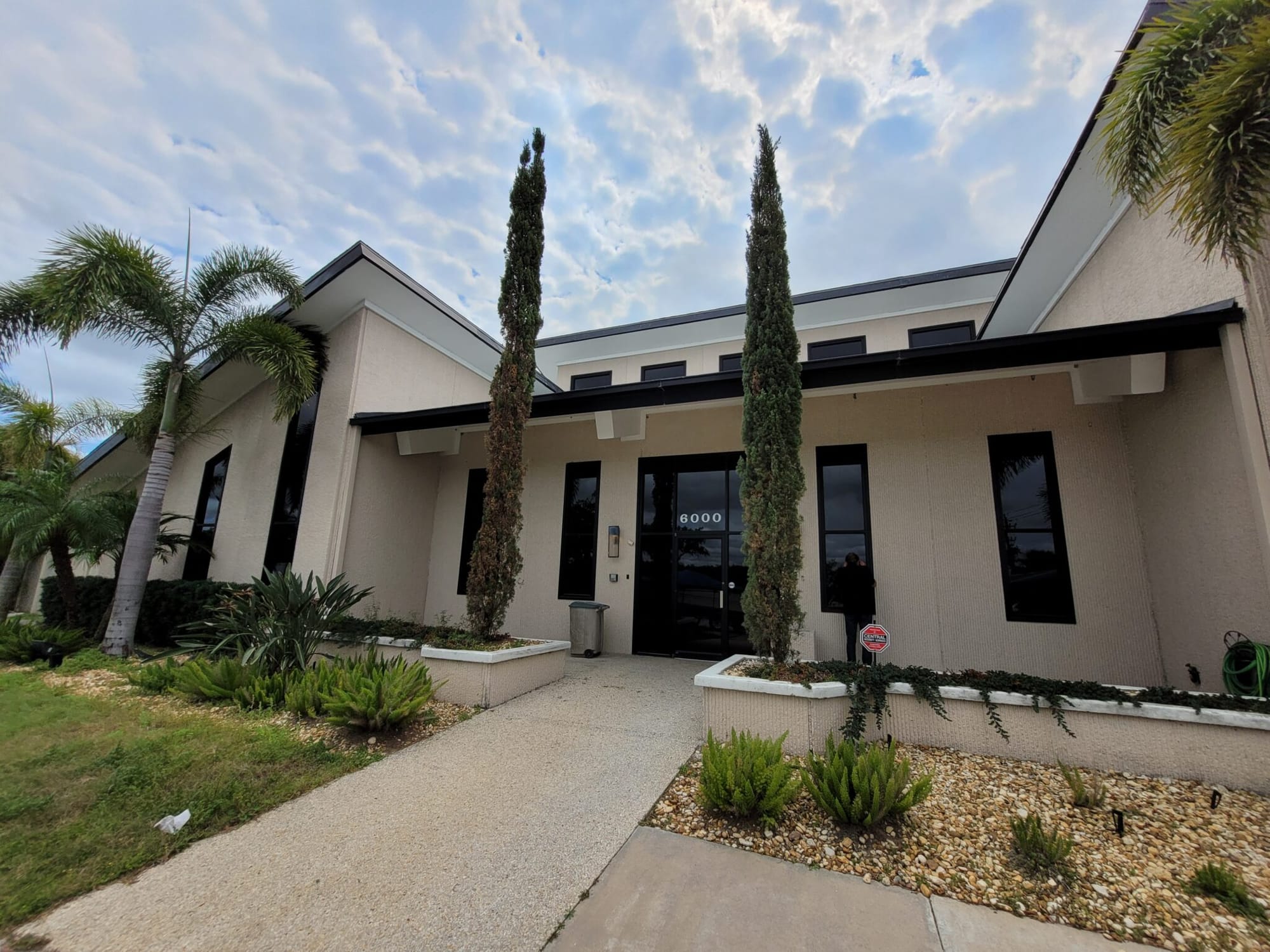
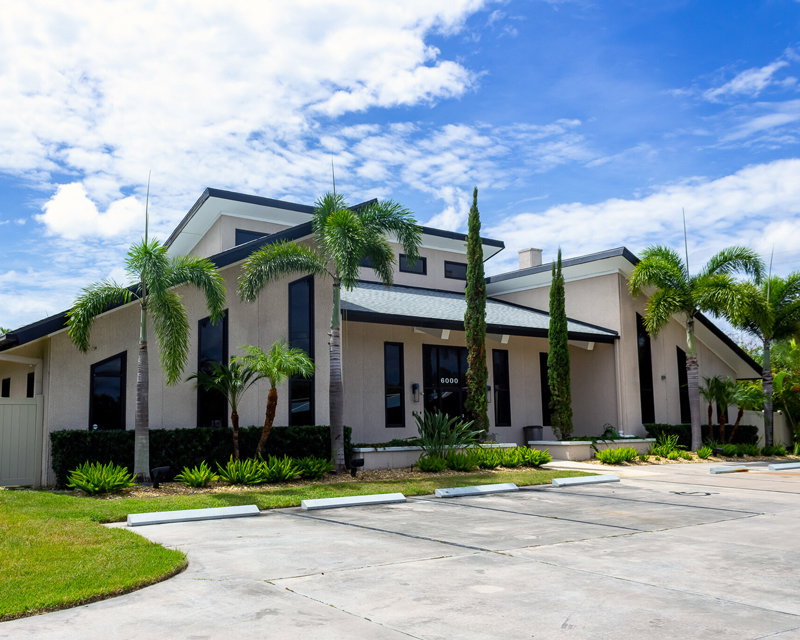
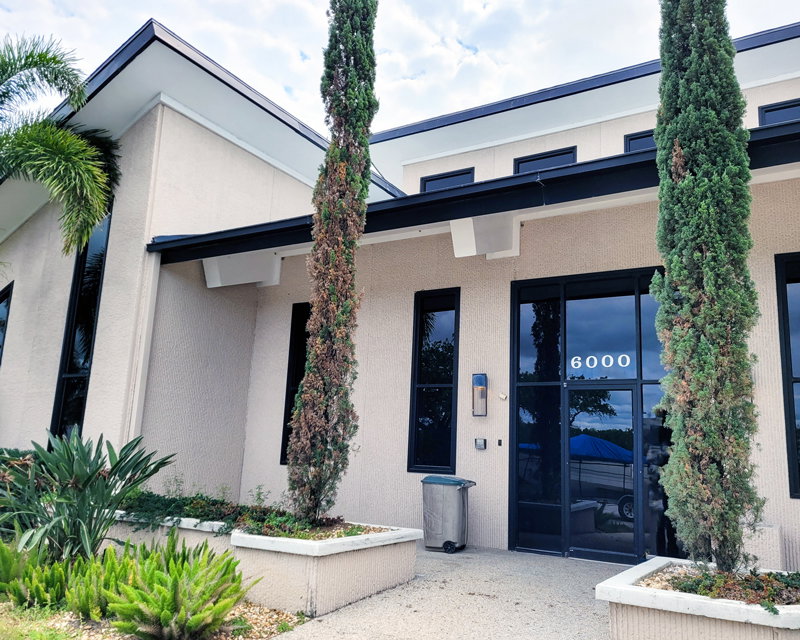
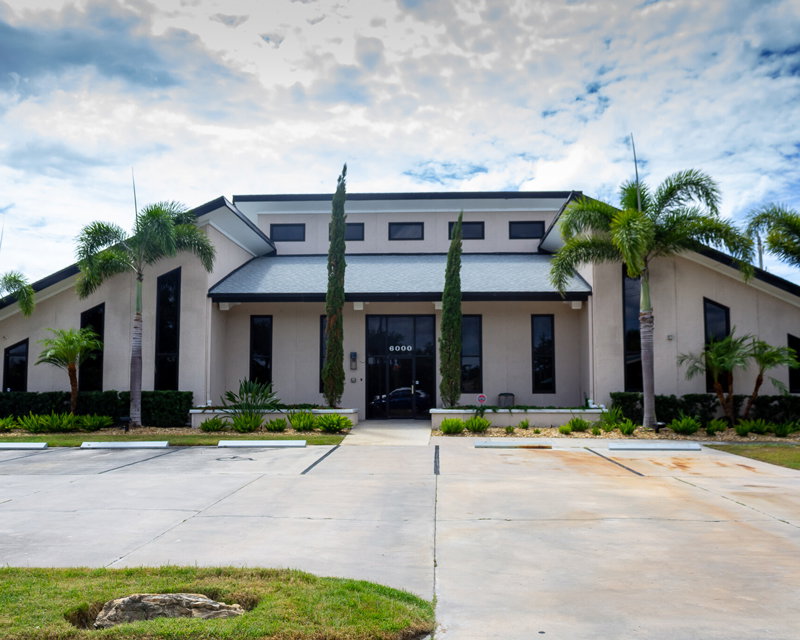
Our team of RRT-certified therapists is here and ready to help.
You can reach them at 941-269-1660 or visit their website at https://www.cleanrecoverycenters.com/locations/sarasota/
